
- April 30, 2026
- 435
- Cancer Awareness , Lung Diseases
Mesothelioma Early Stages: Symptoms, Detection, and Survival Guide (2026)
Mesothelioma is one of the most aggressive and misunderstood cancers in the world. What makes it especially dangerous is not just its severity—but how silently it develops in the early stages. Many people live for years without realizing anything is wrong.
If you’re searching for mesothelioma early stage symptoms, how mesothelioma starts, or early signs of asbestos cancer, this guide breaks it down in a clear, human-focused way—while giving you the depth needed to truly understand the disease.
What Is Mesothelioma?
Mesothelioma is a rare cancer that develops in the mesothelium, a thin protective lining that covers organs such as the lungs, abdomen, and heart.
The primary cause is exposure to asbestos fibers—microscopic particles that, once inhaled or swallowed, remain trapped in the body for decades.
Why Early-Stage Mesothelioma Is So Hard to Detect
The early stages of mesothelioma are often silent or misleading.
Here’s why:
- Symptoms are mild or nonexistent
- Signs resemble common conditions (flu, bronchitis, digestive issues)
- The disease develops slowly over 20–50 years
- Routine screenings don’t usually detect it
This is why many searches like “early signs of mesothelioma cancer” or “how to detect mesothelioma early” are becoming more common.
Mesothelioma Early Stages Symptoms
The symptoms depend on the type of mesothelioma, but in early stages, they are usually subtle.
Pleural Mesothelioma (lungs lining) – Early Signs


This is the most common type.
Early symptoms include:
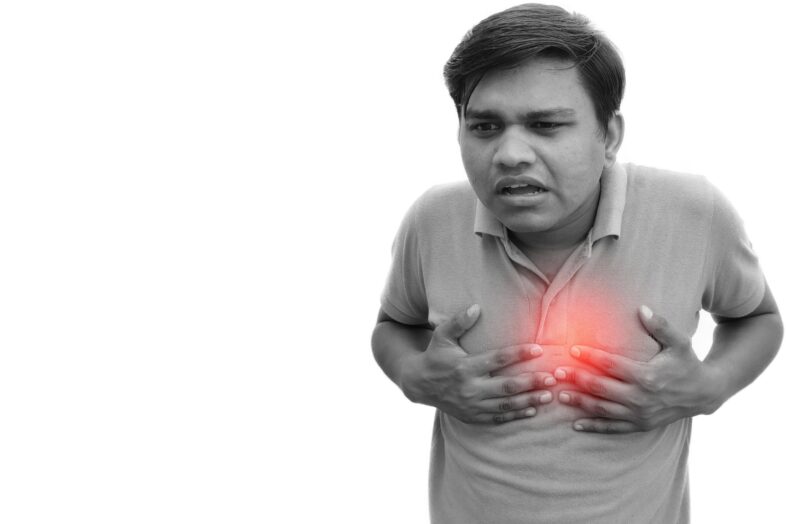
- Mild chest pain or discomfort
- Shortness of breath (especially during activity)
- Persistent dry cough
- Slight fatigue
- Occasional wheezing
Many people mistake these for:
- Asthma
- Pneumonia
- Aging-related breathing issues
Peritoneal Mesothelioma (abdominal lining) – Early Signs


This type affects the abdomen.
Early symptoms may include:
- Mild abdominal pain
- Bloating or swelling
- Changes in bowel habits
- Unexplained weight loss
- Nausea or digestive discomfort
These symptoms are often confused with:
- IBS (Irritable Bowel Syndrome)
- Food intolerance
- General stomach issues
Timeline: How Mesothelioma Develops in Early Stages
Understanding the timeline is key to dominating this topic and helping users.
Stage 0–1 (Early Stage Mesothelioma):
- Cancer is localized
- Tumors are small and not widespread
- Symptoms are minimal or vague
- Often detected accidentally during scans
Stage 2:
- Tumor begins to spread locally
- Symptoms become more noticeable
- Fluid buildup may start
What Causes Early Mesothelioma?
The root cause is almost always asbestos exposure.
Common exposure sources include:
- Construction materials (insulation, roofing)
- Shipbuilding and industrial work
- Automotive brake pads
- Old buildings and renovations
Long-tail keyword relevance:
- “mesothelioma caused by asbestos exposure early symptoms”
- “how long after asbestos exposure does mesothelioma start”
How Long After Exposure Do Symptoms Appear?
One of the most searched questions:
Mesothelioma can take 20 to 50 years to develop after asbestos exposure.
This long latency period is why early detection is so difficult—and why many diagnoses happen in later stages.
How to Detect Mesothelioma Early
Early detection can significantly improve survival outcomes.
Key diagnostic methods:
- Chest X-rays (initial abnormalities)
- CT scans (more detailed imaging)
- MRI scans
- Biopsy (only definitive confirmation)
- Blood tests (emerging biomarkers)
If you’re targeting SEO:
- “early detection mesothelioma CT scan”
- “mesothelioma diagnosis early stage survival rate”
Mesothelioma Early Stage Survival Rate
Survival depends heavily on early diagnosis.
- Stage 1 mesothelioma survival rate: significantly higher than later stages
- Patients diagnosed early may live 2–5+ years, sometimes longer with treatment
- Advanced stages often reduce survival to less than 1 year
Early-stage patients have access to more aggressive treatments.
Treatment Options in Early Stages
When detected early, treatment options are more effective.
Common treatments:
- Surgery (removal of tumors)
- Chemotherapy
- Radiation therapy
- Immunotherapy (emerging and promising)
In early stages, surgery combined with therapy offers the best chance.
Warning Signs You Should Never Ignore
Even mild symptoms can be important if you have asbestos exposure history.
Pay attention to:
- Persistent chest or abdominal pain
- Ongoing fatigue
- Breathing difficulty
- Unexplained weight loss
- Fluid buildup (pleural effusion or ascites)
Who Is Most at Risk?
High-risk groups include:
- Construction workers
- Shipyard workers
- Military veterans
- Industrial laborers
- People living in older homes with asbestos
Even secondary exposure (family members exposed through clothing) is possible.
Can Mesothelioma Be Prevented?
The only real prevention is avoiding asbestos exposure.
- Use protective equipment in high-risk jobs
- Avoid disturbing old building materials
- Follow safety regulations during renovations
Final Thoughts: Why Early Awareness Saves Lives
Mesothelioma is not just a rare disease—it’s a silent one.
The early stages are where the battle can still be won, but only if:
- Symptoms are recognized early
- Medical attention is taken seriously
- Exposure history is considered
If you’re researching this topic for yourself or for SEO domination, focus on one key idea:
👉 Early detection of mesothelioma changes everything.